Material Guide
Acrylic, Wool Blend or Faux Fur Scarves: Which Material Should Buyers Choose?
Acrylic scarves are practical for cost-controlled winter programs, wool blends add warmth and perceived value, while faux fur scarves suit boutique, gift and fashion-led collections. Buyers should choose material based on target price, channel, season and customer expectation.
Buyer Takeaways
- Acrylic works for broad winter accessory programs and price-sensitive retail.
- Wool blends add warmth, loft and premium hand feel.
- Faux fur fits gift, boutique and fashion scarf programs.
- Always approve a physical sample when softness, shedding or thickness matters.
Material choice is one of the most important sourcing decisions for wholesale scarves. A buyer may start with a product photo, but the final retail experience depends on fiber, yarn, fabric construction, finishing and packing. Acrylic, wool blend and faux fur scarves can all work well, but they serve different buying goals. The right material depends on target price, selling channel, season, hand feel, compliance needs and how the scarf will be displayed.
Material decision table
| Material | Best use | Buyer should check |
|---|---|---|
| Acrylic | Cost-controlled winter retail, knit scarves, broad assortments | Pilling, hand feel, color consistency and knit density |
| Wool blend | Premium cold-weather programs and higher perceived value | Fiber content, shrinkage, softness and care label wording |
| Faux fur | Boutique, gift, fashion-led neck warmers and plush styles | Shedding, pile recovery, decoration strength and packing compression |
Acrylic scarves
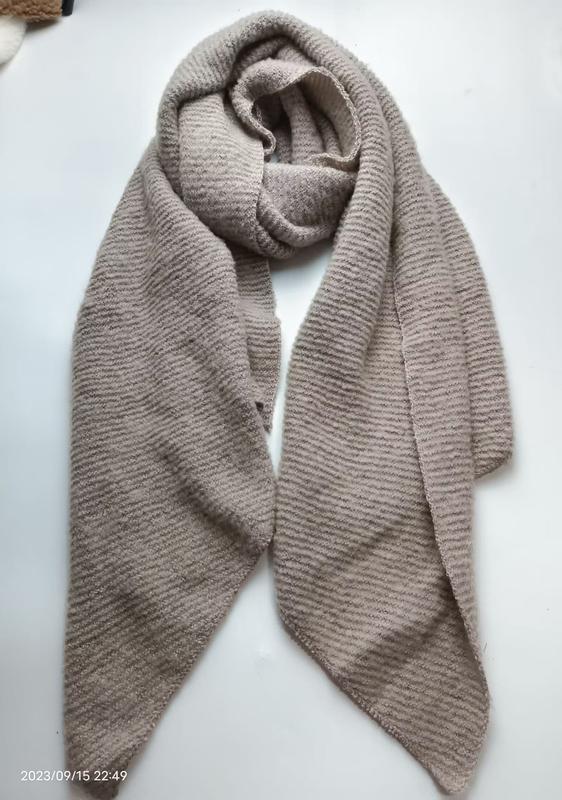
Acrylic is widely used in wholesale scarves because it offers a useful balance of cost, color control, durability and winter appearance. It is practical for retail chains, gift shops, e-commerce sellers and promotional winter programs. Acrylic yarn can support ribbed knit scarves, Fair Isle patterns, beanies and matching sets at a price point many buyers can scale.
However, acrylic is not one single quality level. Two acrylic scarves can feel very different depending on yarn count, knitting density, finishing and washing. Buyers should check whether the scarf feels too flat, too rough or too loose. Pilling resistance is also important for repeat retail programs. A low-cost acrylic scarf that pills quickly may create more customer complaints than a slightly higher-priced scarf with better yarn and finishing.
Wool blend scarves
Wool blends are chosen when the buyer wants a warmer hand feel and a more premium retail position. They can work well for boutiques, cold-weather stores, ski shops and gift programs. Wool blend scarves can carry a higher perceived value than basic acrylic, especially when the fabric has loft, softness and stable finishing.
The main sourcing issue is clarity. The buyer should confirm exact fiber content, care requirements and label wording. Wool blend does not automatically mean luxury. A scarf with a small wool percentage and poor finishing may not feel premium. Ask for a finished sample and compare it with the target retail price. If shrinkage or care sensitivity matters, discuss testing and care label instructions before bulk production.
Faux fur scarves
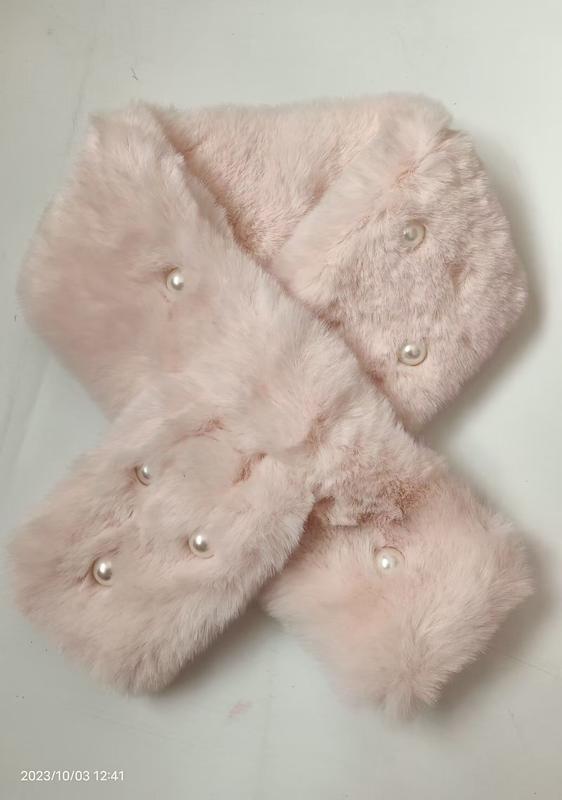
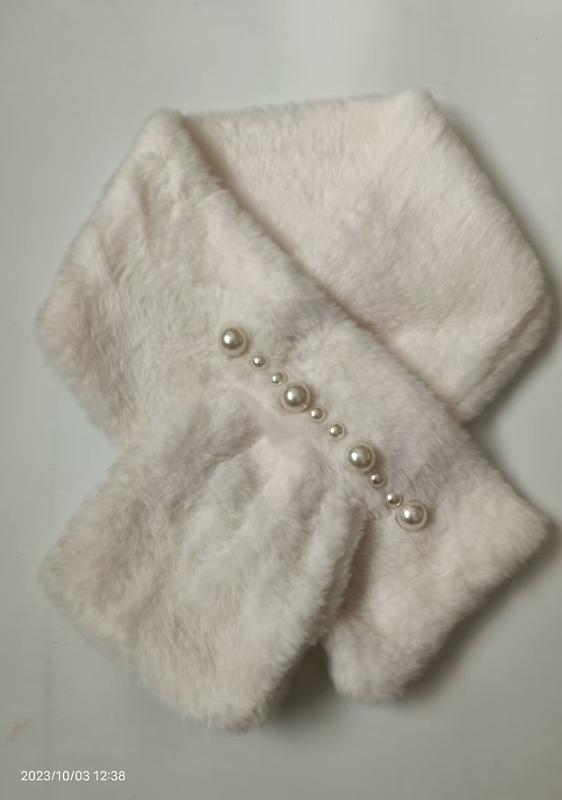
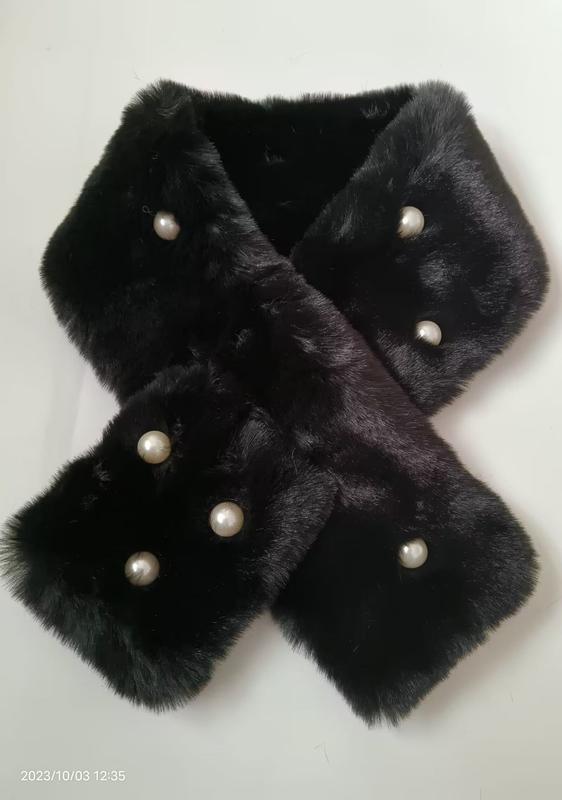
Faux fur scarves are different from knit scarves because their value is highly tactile. Buyers choose them for softness, gift appeal and boutique display. A faux fur style such as blush pink faux fur scarves depends on pile quality, color, closure strength and packed appearance. A photo may look attractive, but the buyer still needs to touch the material and check shedding.
Faux fur QC should include pile direction, softness, loose fiber check, lining quality, button or pearl attachment and recovery after compression. If the scarf is packed tightly, it may look flat when opened. For gift retail, approve the packed unit and check how it looks after unpacking.
Sample checks by material
For acrylic knit scarves, check size stability, edge finishing, yarn tension, pilling tendency and color consistency. For Fair Isle or jacquard-style scarves, check whether the pattern remains clear when folded. For wool blend scarves, check hand feel, fiber label, smell, shrinkage risk and care instructions. For faux fur scarves, check shedding, pile recovery, softness and trim strength.
Do not rely only on swatches. A material swatch does not show the final scarf construction, weight, fold behavior or packing result. Ask for a finished sample in the same construction as the intended order.
Material labeling and claims
Material choice affects care labels and marketing claims. If the buyer sells into markets with specific textile labeling expectations, fiber content must be accurate. If a scarf uses recycled material or certified yarn, the buyer should ask for documentation before printing any claim on hang tags or packaging.
This is where private label planning and material planning meet. A buyer should not finalize hang tags before the material is confirmed. Changing material after packaging artwork is prepared can create delays and reprinting costs.
How buyers should choose
Start with the sales channel. For broad winter retail and controlled price points, acrylic is often practical. For a premium boutique collection, wool blend may be stronger. For gift and fashion accessory programs, faux fur can create higher visual impact. Then confirm target price, MOQ, customization needs and packing method.
The safest sourcing process is to request two or three material options with the same size and packing assumptions. Compare finished samples side by side. Check not only the unit price but also how the scarf feels, photographs, folds, packs and matches the brand position. Material choice is not only a cost decision. It is a retail promise.
Connect material to retail price
Material should be chosen from the expected retail price backward. A low-price winter basics program needs a material that can deliver acceptable softness and durability without pushing the shelf price too high. Acrylic often fits this role. A boutique program with a higher retail price needs better hand feel, richer texture and stronger presentation. Wool blends or better-finished acrylics may fit that position. A gift-led fashion program may justify faux fur because the customer is buying softness and visual appeal.
If the buyer chooses material only by unit cost, the product may miss the market. A scarf can be cheap but feel too thin for winter retail. Another scarf can feel premium but be too expensive for the buyer's channel. The correct choice is the one that supports the target margin and the customer's expectation at the same time.
Color behaves differently by material
Color approval is not the same across acrylic, wool blend and faux fur. Knit yarn colors may appear different depending on texture and stitch structure. Wool blends can look softer or more muted. Faux fur can change appearance depending on pile direction and lighting. A color that looks correct on a flat swatch may look different on a finished scarf.
For this reason, buyers should approve color on the finished product, not only on a material chip. If the order is part of a collection, check color across categories. A cream scarf, cream beanie and cream glove may not match perfectly if they use different materials. Decide whether exact matching is required or whether coordinated tones are acceptable. This decision should be made before bulk production.
Material affects packing and shipping
Material also changes packing volume. A thin acrylic scarf may pack efficiently. A thick wool blend scarf may require more carton space. Faux fur scarves can be bulky and may lose presentation if compressed too heavily. This affects freight cost, warehouse storage and retail unpacking experience.
When comparing material options, ask the supplier for carton quantity and packed dimensions. A material with a slightly lower unit price may become less attractive if it increases shipping volume or arrives with poor presentation. For larger orders, packed-unit planning is part of the real landed cost.
Material risk checklist
- Does the material support the target retail price?
- Does the finished sample match the expected hand feel?
- Is the color approved on the finished scarf?
- Does the care label match the actual fiber content?
- Does the product recover well after packing?
- Are any recycled, certified or premium claims supported by documents?
Material selection should finish before label artwork, hang tags and marketing copy are finalized. Once the buyer prints fiber content or product claims, changing material becomes more expensive. Treat material as an early strategic decision, not a late detail.
Material sourcing brief for suppliers
When asking for material options, give the supplier a clear target instead of only asking what materials are available. Tell the supplier the expected retail channel, target price range, season, customer expectation and whether the scarf needs to feel warm, lightweight, plush, premium or giftable. A good supplier can then recommend acrylic, wool blend, faux fur or another construction based on the business goal.
A useful material brief includes target hand feel, color direction, order quantity, label requirements, packing method and destination market. If the buyer has a competitor sample, send photos and explain what should be matched and what can be improved. If the buyer has a target retail price, share it. Material selection becomes more accurate when the factory understands the commercial target.
Material and reorder control
Reorders are where material discipline becomes important. A first order may look good, but if the second order changes hand feel or color, the buyer loses consistency. Ask the supplier how material will be controlled for repeat orders. Will the same yarn supplier be used? Can the buyer keep a reference sample? How will color difference be checked? For private label programs, keep one approved sample at the factory and one with the buyer.
This is especially important for seasonal products. A buyer may reorder after several months, when the same material lot is no longer available. A practical supplier will explain acceptable tolerance and suggest reorder timing before the first season ends.
FAQ
Is acrylic a good material for wholesale scarves?
Yes. Acrylic is a practical option for many cost-controlled winter scarf programs, but buyers should check hand feel, pilling and knitting density.
Are wool blend scarves better than acrylic scarves?
They can feel warmer and more premium, but they usually need clearer fiber labeling and may cost more.
What should I check on faux fur scarves?
Check softness, shedding, pile direction, button attachment, decoration strength and how the scarf looks after being packed.
Need a factory quote?
Request acrylic, wool blend and faux fur samples before choosing your bulk scarf material.
Send RFQ