MOQ Guide
Scarf MOQ Guide: What 100 pcs, 300 pcs and 1000 pcs Mean
A 100-piece scarf order is usually a trial or boutique test. A 300-piece order gives more room for color and label planning. A 1000-piece order normally supports better unit cost, stronger packing control and repeat retail programs. The right MOQ depends on design complexity and customization scope.
Buyer Takeaways
- 100 pcs works best for trial orders or simple ready-style customization.
- 300 pcs is often enough for boutique retail and private label tests.
- 1000 pcs usually improves price, packing efficiency and production scheduling.
- MOQ should be discussed with material, color, label and packing requirements together.
Scarf MOQ is one of the most common questions buyers ask, but it is also one of the easiest numbers to misunderstand. MOQ does not only mean the lowest quantity a factory is willing to produce. It reflects setup work, material planning, machine scheduling, sample approval, packing preparation and inspection cost. A buyer who understands MOQ can make better decisions about trial orders, private label programs and repeat winter retail planning.
MOQ decision table
| Quantity level | Best use | Main limit |
|---|---|---|
| 100 pcs | Trial order, boutique test, existing style with light customization | Higher unit cost and fewer custom options |
| 300 pcs | Small private label drop, gift shop program, online store test | May still be limited by color and packaging setup |
| 500 pcs | More serious retail program with labels and packing | Requires clearer demand forecast |
| 1000 pcs | Repeat retail, distributor order, chain store or seasonal campaign | Inventory and cash-flow planning become more important |
Why scarf MOQ exists
Every custom scarf order creates fixed work before the first finished piece is packed. The factory may need to source yarn, prepare color references, adjust knitting settings, cut fabric, make a sample, order labels, arrange hang tags, print barcode stickers, prepare cartons and schedule inspection. These tasks take time whether the order is 100 pieces or 1000 pieces. MOQ is the point where the factory can absorb this setup work in a commercially reasonable way.
This is why a very low MOQ is not always a better deal. If the order is too small for the requested customization, the factory may raise the unit price, limit material options or reduce packaging flexibility. A good supplier should explain what is possible at each quantity level instead of simply saying yes to every request.
100 pcs: trial order and boutique test
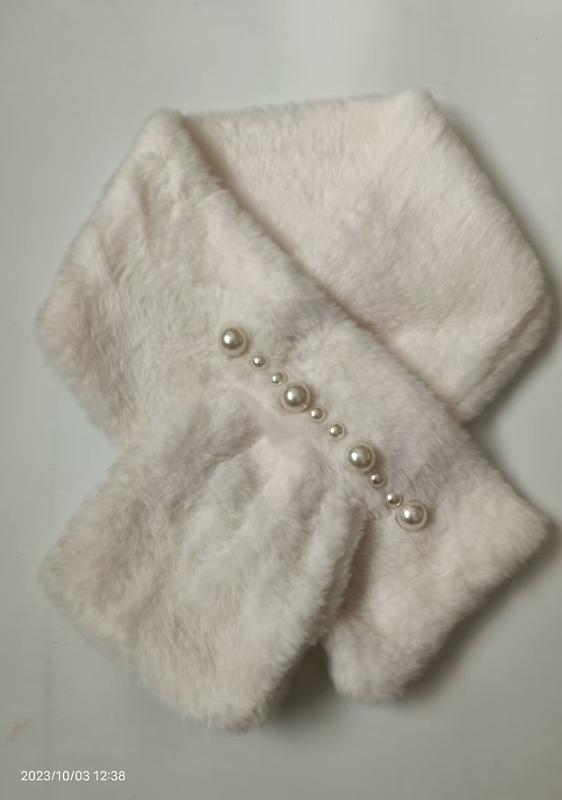
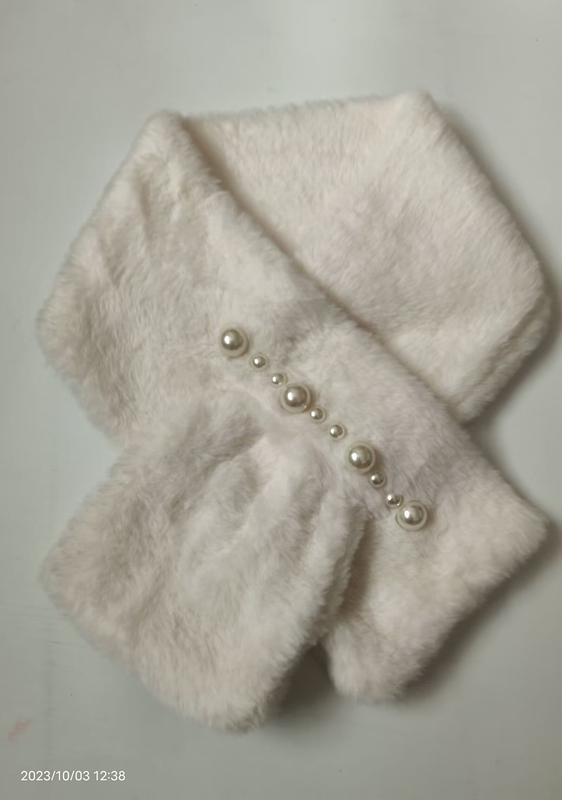
A 100-piece scarf order is useful when the buyer wants to test a style before building a larger program. It can work well for boutique shops, online sellers, gift retailers and first-time importers. The best 100-piece orders usually use existing factory styles or light customization. Examples include changing a label, selecting a safe color, adjusting packing or testing a style similar to white faux fur mini scarves.
The weakness of 100 pcs is cost absorption. If the buyer wants custom jacquard artwork, multiple colors, exclusive packaging and strict retailer compliance at only 100 pcs, the quote may look expensive. That does not mean the supplier is unreasonable. It means the setup work is being spread across too few pieces. Buyers should use 100 pcs for learning, sample validation and sell-through testing rather than expecting the best unit cost.
300 pcs: private label test
A 300-piece order is often more realistic for small private label programs. It gives the factory more room to prepare labels, hang tags, barcode stickers and packing without putting too much inventory pressure on the buyer. For independent retailers and e-commerce brands, 300 pcs can be a practical first production order if the design is not too complex.
At this level, ask whether the MOQ is counted per color, per style or per full order. A buyer may assume 300 pcs can be split into three colors of 100 pcs each, but the factory may need 300 pcs per color if yarn or fabric setup is different. Clarify this before approving the quote. Also ask whether private label materials have their own MOQ. Sometimes the scarf MOQ is manageable, but the woven label or printed hang tag supplier has a separate minimum.
1000 pcs: better cost and repeatability
A 1000-piece order usually supports better unit price, more stable production planning and stronger packing control. This level is more common for distributors, chain stores, brand programs, corporate gifts and seasonal retail campaigns. Setup work becomes easier to absorb, and the factory can plan production with less disruption.
However, 1000 pcs should not be chosen only because the unit price is lower. The buyer should connect the quantity to a sales plan: store count, expected sell-through, online demand, event date, reorder timing and warehouse capacity. A lower unit price is only valuable if the inventory can move. For repeat winter programs, 1000 pcs can be very efficient. For an untested style, a smaller first order may be safer.
Hidden costs behind low MOQ
Low MOQ can create hidden costs if the buyer does not define the full order. Packaging is a common example. A quote may include the scarf in a simple polybag, but the buyer later asks for a printed hang tag, barcode sticker, size sticker and gift box. That changes cost and sometimes MOQ. Another hidden cost is color matching. If a buyer requires strict Pantone matching at low quantity, material sourcing can become more difficult.
Sample revisions also matter. A low MOQ order with several sample revisions can consume more time than the order value supports. To avoid this, buyers should send clear specifications from the beginning and separate must-have details from flexible preferences.
How to request quote tiers
The best way to discuss MOQ is to ask for tiered pricing. Instead of asking only, "What is your MOQ?" ask for 100, 300, 500 and 1000 pcs quote tiers under the same material, size, label and packing assumptions. This makes the cost curve visible and helps the buyer choose the right starting point.
A strong RFQ should include style, material, size, colors, quantity, label plan, packaging plan, destination country and target delivery date. If the buyer is flexible, say so. For example: "Color must be black and cream, but packaging can be standard polybag for the first order." This gives the supplier room to recommend a practical MOQ route.
MOQ is not the enemy of small buyers. Used correctly, it helps the buyer structure a test order, measure sell-through and scale into repeat production. The goal is not always the lowest MOQ. The goal is the lowest total risk for the product program.
MOQ changes by scarf type
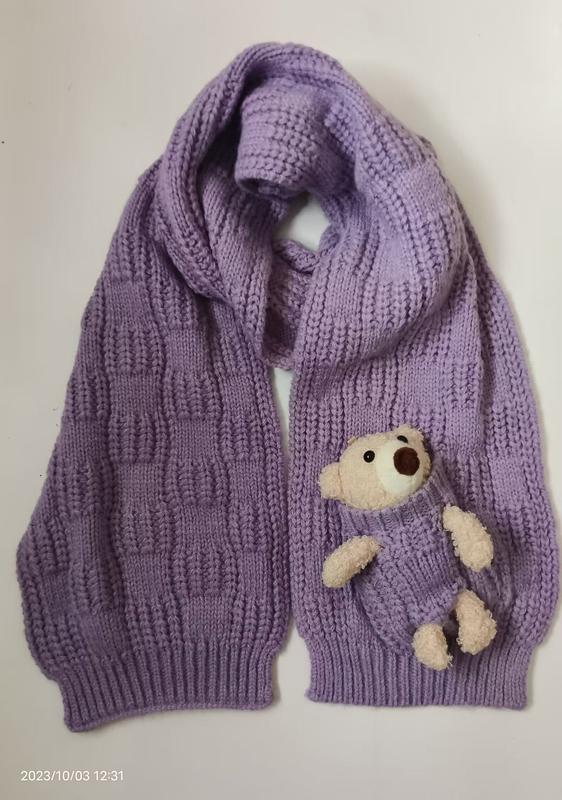
Different scarf types have different MOQ logic. A simple ribbed knit scarf may be easier to produce at low quantity because the construction is familiar and color options may be available from existing yarns. A Fair Isle or jacquard knit scarf often needs more setup because the pattern must be converted into a production-ready structure and color placement must be controlled. Faux fur scarves may depend on fabric availability and trim materials. Shawls and wraps may use larger fabric consumption, which can change the minimum.
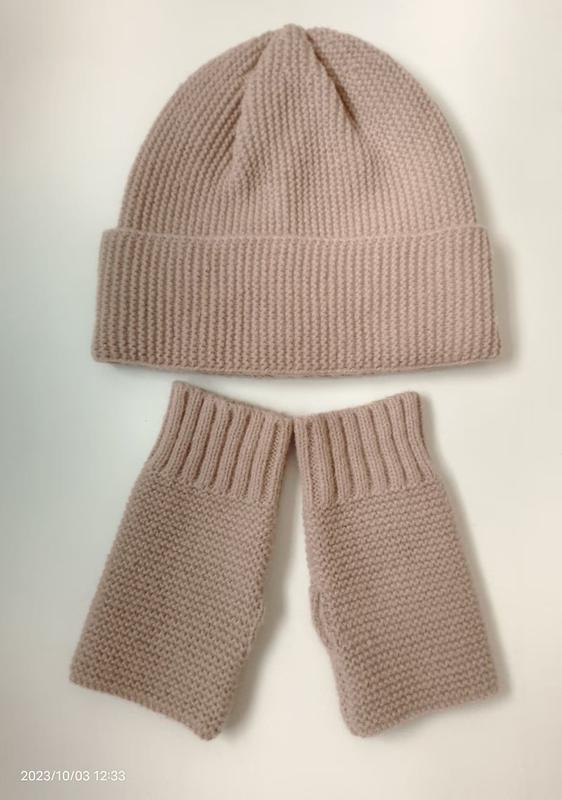
This means buyers should not ask one MOQ question for every product. Ask MOQ by construction. For example: what is the MOQ for an existing ribbed scarf with custom label? What is the MOQ for a custom Fair Isle pattern? What is the MOQ for faux fur scarves with pearl buttons? What is the MOQ for a scarf and beanie set packed together? The answers help the buyer choose the right product path for the budget.
MOQ and inventory risk
MOQ should be connected to inventory planning. A buyer may be tempted to order 1000 pcs because the unit price is better, but if the style is untested, the extra inventory can become expensive. On the other hand, ordering only 100 pcs of a proven winter basic may create a stockout and force urgent reorder shipping. The right quantity depends on product confidence, selling season, storage capacity and reorder timing.
For new styles, many buyers use a ladder strategy. Start with 100 or 300 pcs to test sell-through. If the product performs, reorder 500 or 1000 pcs with better packaging and stronger color planning. For proven styles, start with a larger quantity and use the lower unit price to protect margin. MOQ is most useful when it matches the buyer's market evidence.
How to negotiate MOQ without weakening the order
MOQ negotiation works better when the buyer offers flexibility. Instead of saying only "we need 100 pcs," explain what can change. Can the buyer accept existing yarn colors? Can packaging start with a standard polybag? Can the label be a standard woven label size? Can delivery be flexible by one or two weeks? These concessions may help the factory reduce MOQ without damaging production quality.
The worst approach is to demand a low MOQ while keeping every requirement fixed. That usually leads to a higher price, a rejected request or a supplier who says yes but later struggles. Good negotiation should lower unnecessary complexity, not remove the controls that protect the order.
Example RFQ scenarios
Scenario one: a boutique wants 100 pcs of a neutral faux fur scarf with a woven label and standard polybag. This is a reasonable trial order because the style is close to an existing product and the customization is light. The buyer should expect a higher unit price than a 500-piece order, but the risk is controlled.
Scenario two: a brand wants 300 pcs of a Fair Isle scarf in two custom colors with woven labels and hang tags. This can be realistic if the color split and label details are confirmed early. The buyer should ask whether 300 pcs is per color or total order and whether the hang tag supplier has a separate minimum.
Scenario three: a distributor wants 1000 pcs across several winter accessories with coordinated labels. This is a stronger program for cost control, but it requires careful SKU planning, carton marks and shipping schedule. The buyer should ask the factory to confirm production sequence and packed carton dimensions before final purchase order.
FAQ
Can I order custom scarves with 100 pcs MOQ?
Yes, but 100 pcs usually works best for simple customization or existing styles. More complex yarn colors, custom jacquard or full private label packaging may need higher quantity.
Does lower MOQ mean higher unit price?
Usually yes. Setup, sampling and packing work are spread across fewer pieces, so the unit price can be higher at low MOQ.
Can I mix colors under one MOQ?
Sometimes. It depends on yarn availability, material, dye lot and packing plan. Ask the factory whether the MOQ is per color or per order.
Need a factory quote?
Ask for 100, 300, 500 and 1000 pcs quote tiers before confirming your scarf order.
Send RFQ